What Is Impedance Testing (TDR) in PCB Manufacturing?
Release time:10/14/2026
Share to:
1. What Is Impedance Test?
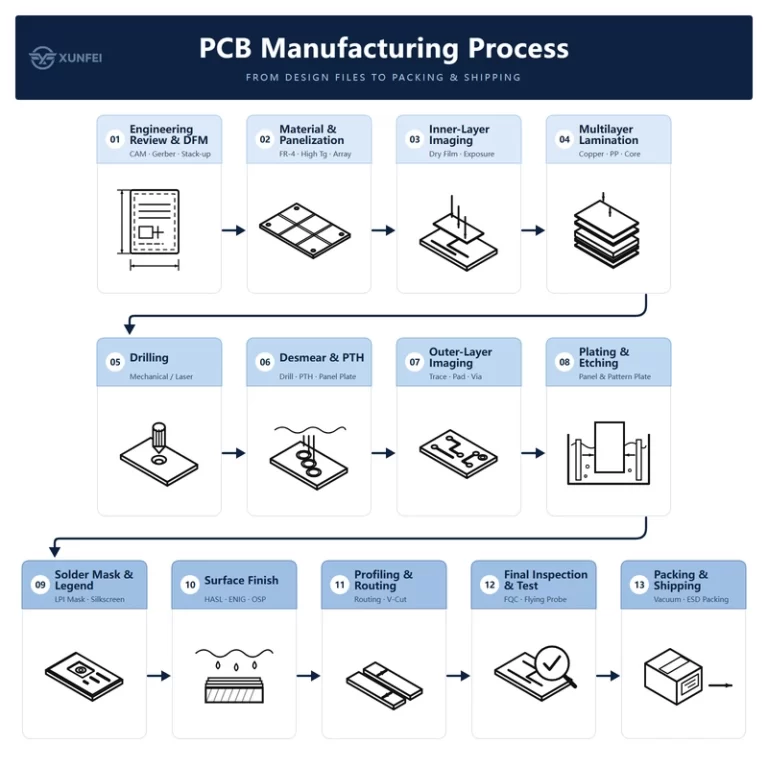
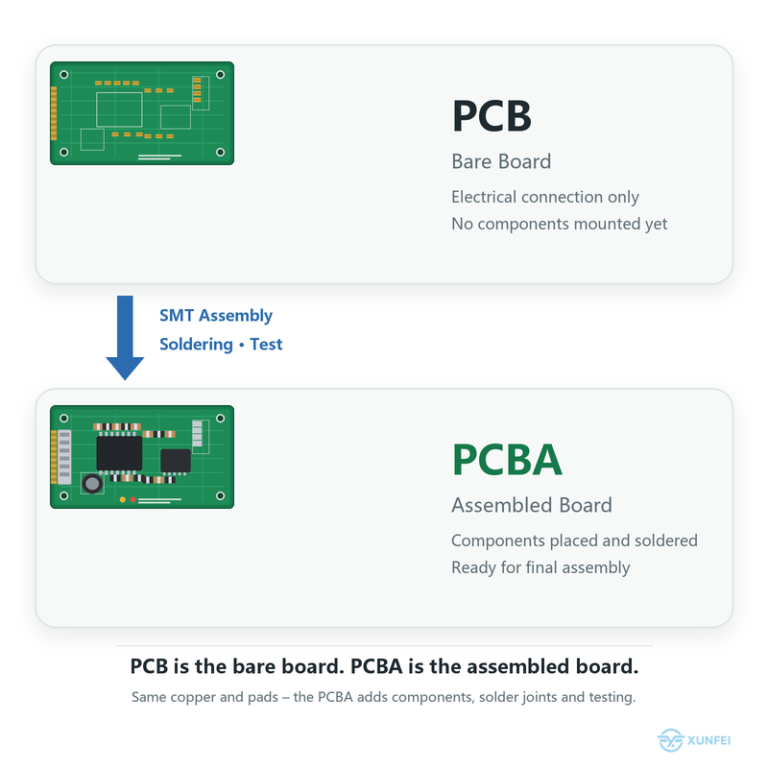
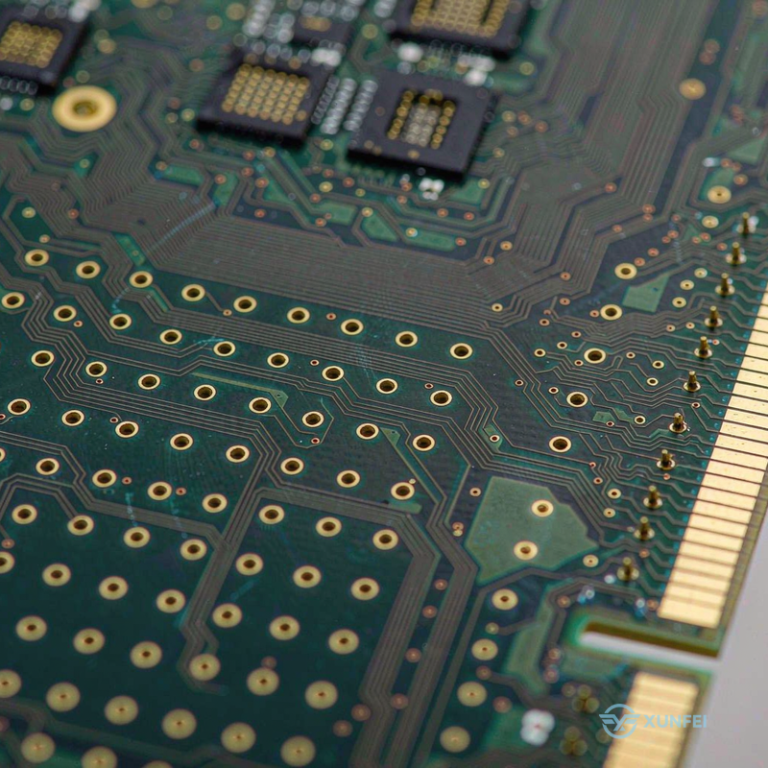
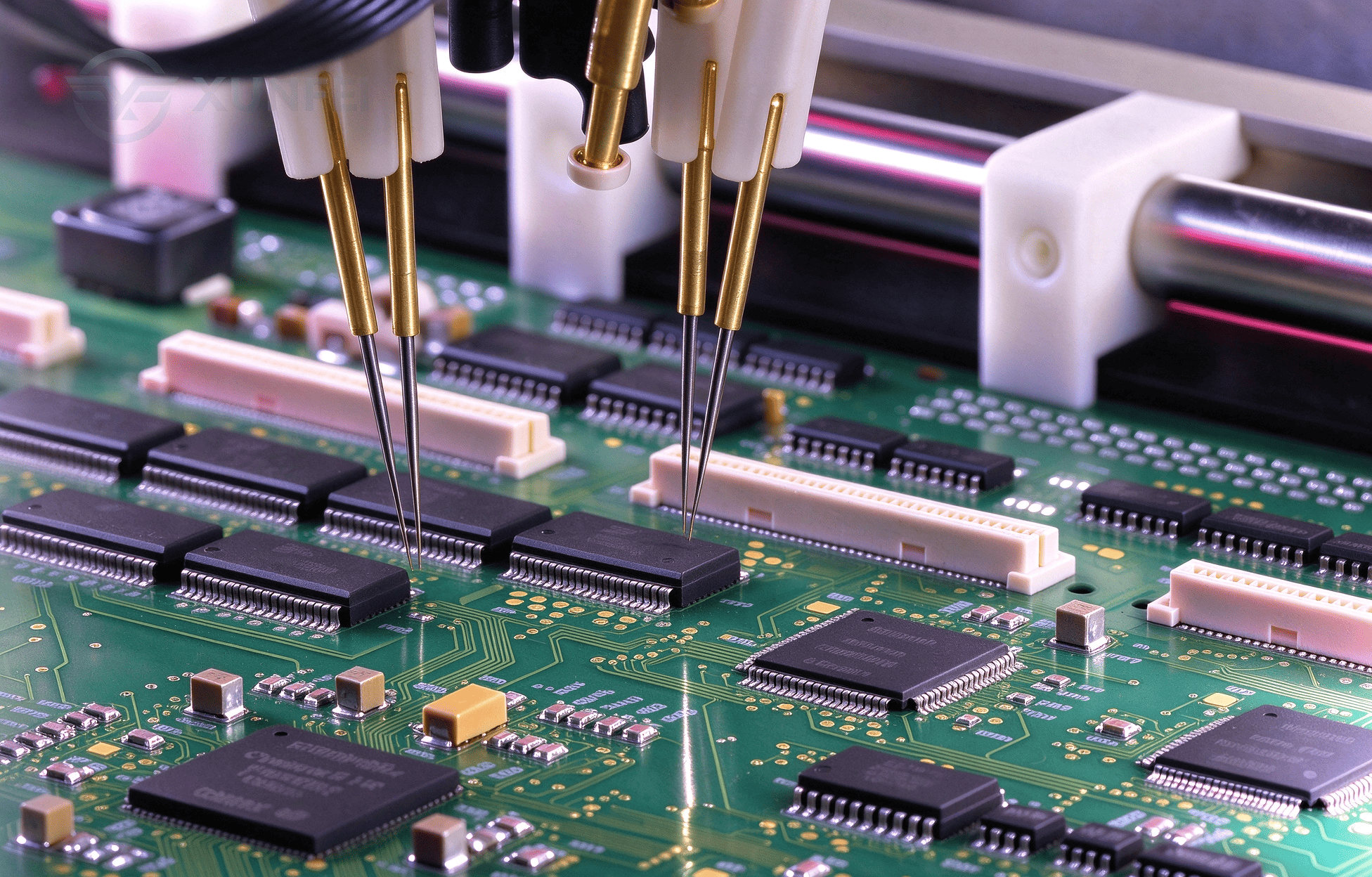
Impedance test uses TDR equipment. TDR means Time-Domain Reflectometer. It checks controlled-impedance traces on bare PCB boards. Operators finish this test before component assembly.
However, impedance test is not a functional test. For example, it does not power up the board. Also, it does not check components. It only checks the electrical behavior of copper traces.
This test matters for high-speed designs. When signals travel fast, trace impedance must stay stable. If impedance changes, signal reflections appear. Reflections cause data errors, signal loss and EMI problems.
2. Why Controlled Impedance Matters?
Controlled impedance means the trace keeps a target impedance value. For instance,common values are 50 Ω, 90 Ω and 100 Ω. The PCB stack-up, trace width, trace spacing and dielectric material decide this value.If the PCB factory does not control impedance, high-speed signals may fail. The board may pass visual inspection. It may pass ICT. But it can still fail in the field.That is why impedance test belongs to incoming inspection. It catches the problem before assembly.At first, the board may pass visual inspection. It may also pass ICT. However, it can still fail in the field.
3. Working Principle: How TDR Works?
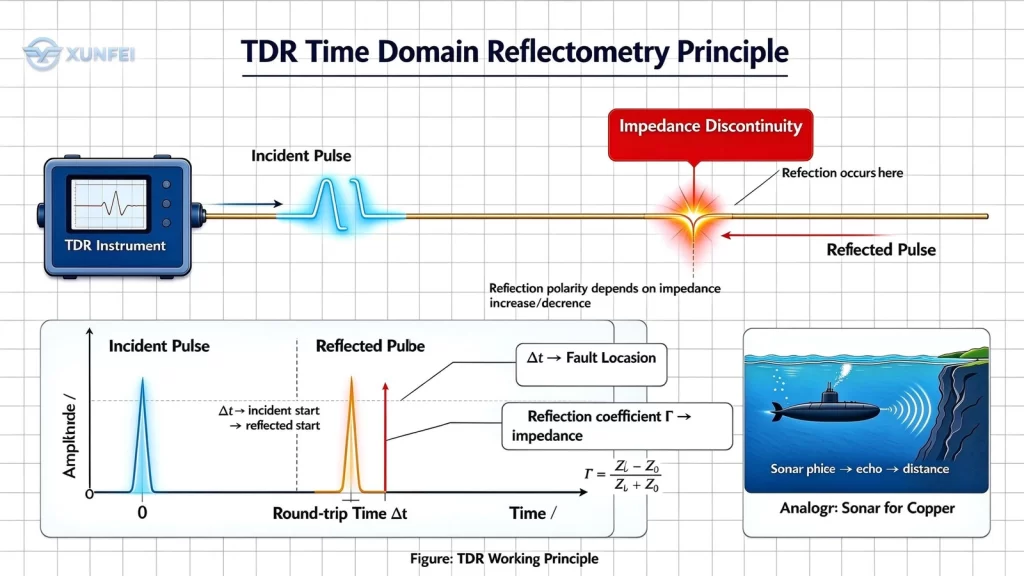
First, TDR sends a fast electrical pulse along the trace. When the pulse hits a point where impedance changes, part of the signal reflects back. This is similar to sound echoing off a canyon wall.The instrument measures two things. First, the round-trip time. Second, the echo strength. Based on this data, it calculates the impedance value at every point along the trace.
Think of it as sonar for copper wiring. First, you shoot out a ping. Then you listen for the echo. Finally, you map out the terrain without ever touching the wire itself.
A sonar system sends sound waves into water. Then the waves bounce back from objects. As a result, the operator sees the shape of the sea floor.TDR works in the same way. First, it sends an electrical pulse. Next, the pulse bounces back from impedance changes. Finally, the instrument shows the impedance profile along the trace.This method is fast. Moreover, it is non-destructive. In other words, it does not damage the board. At the same time, it gives precise data for every point.
4. Applications and Industries
Impedance test fits many high-speed products(High-speed products are designs where signals switch fast or operate at high frequency). Typical examples include:High-speed digital boards for servers and network hardware/RF and microwave boards/Communication modules.Therefore, run impedance test for every design with controlled-impedance requirements. Do not skip it just because the board looks fine.
5. Typical Test Time
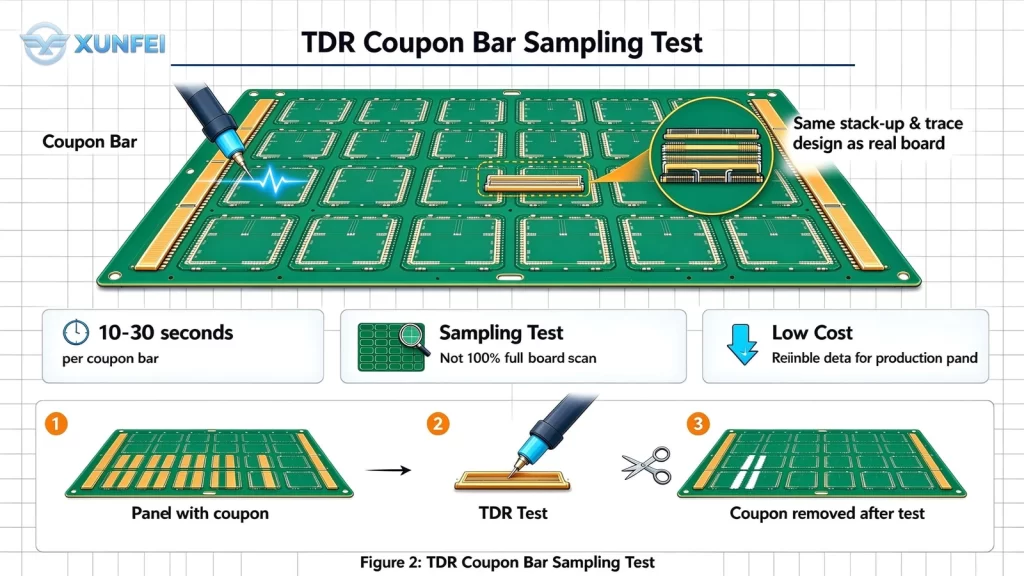
Typical test time is about 10-30 seconds per coupon bar. This is a sampling test on production panels. It is not a 100% full-board scan.The coupon bar is a small test strip on the panel. It has the same stack-up and trace design as the real board. After testing, the factory may cut it off.This sampling method keeps cost low. It still gives reliable data for the production panel.
6. Impedance Test vs Other PCBA Tests
Impedance test is different from other PCBA tests.It runs before assembly.It checks bare PCB traces, not components.It uses TDR, not cameras or probes.It focuses on signal integrity.
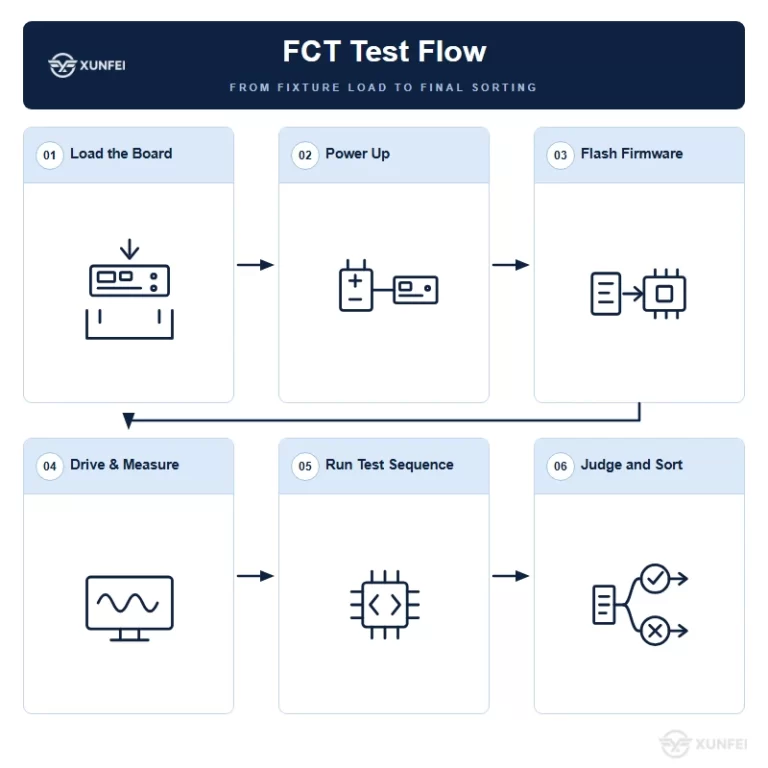
Other tests run later. SPI checks solder paste. AOI checks placement and solder joints. X-Ray checks hidden solder joints. ICT and flying probe check electrical connections. FCT checks full product function.Each test covers a different risk. Impedance test covers the risk that comes from the bare PCB itself.
7. FAQ
What is impedance test?
Impedance test uses TDR to check controlled-impedance traces on bare PCB boards. It measures impedance values along the trace.
Why is impedance test important?
It catches signal integrity problems before assembly. It prevents field failures in high-speed products.
When should impedance test be done?
It should be done after bare PCB fabrication and before component assembly.
How long does impedance test take?
About 10-30 seconds per coupon bar. It is a sampling test, not a full-board scan.
Ready to start your next PCB project?
Xunfei Time Technology is a one-stop PCB & PCBA manufacturer with nearly 30 years of experience.We handle PCB design, fabrication, SMT assembly and functional testing.
Fast turnaround: 4-7 days for prototypes, 8-15 days for mass production.